
Top Signs Your Brakes Need Repair: When to Stop at the Auto Shop
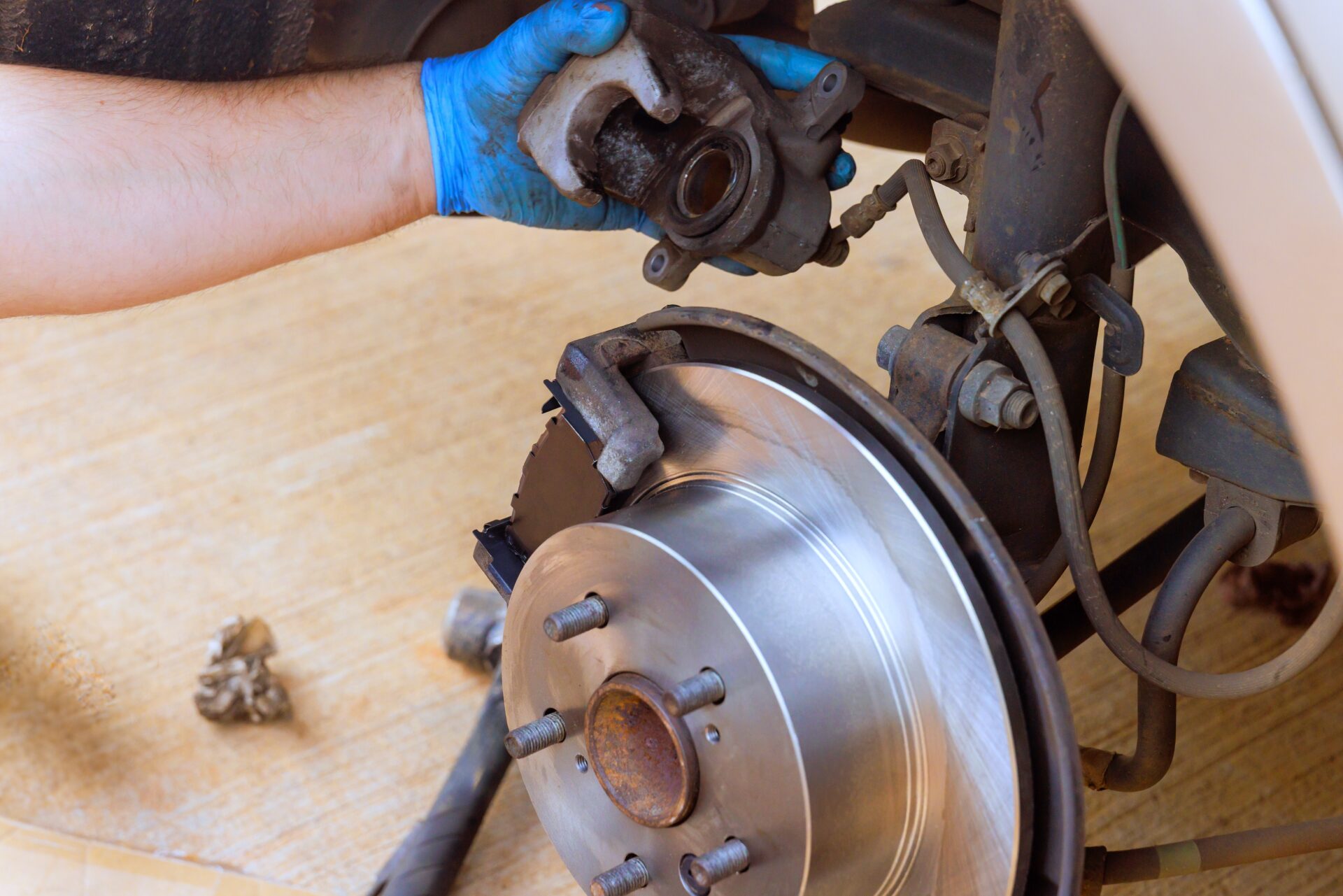
Brakes are one of the first things you should check if something feels wrong, like a strange noise, a soft pedal, or vibrations when you stop. These warning signs usually appear gradually, so you have time to get repairs before things get worse. At Reliable Auto Repair, our technicians look for the root cause of these early signs, not just the obvious problems. Addressing brake issues early helps your car run better and lets you plan repairs instead of dealing with emergencies.
Why Brake Health Matters
Brakes are the most important safety system in any vehicle. When they are working properly, you don’t need to think about them. But when things start to go wrong, the consequences can be dangerous.
Neglecting brake issues can lead to:
- Longer stopping distances
- Loss of control
- Complete brake failure
A small problem, like worn brake pads, can turn into a much bigger and costlier issue. Even worse, it can put you and other drivers at risk.
That’s why brake problems should never be “wait and see” issues. Professional inspections help catch hidden problems early, before they become safety hazards.
Common Warning Signs Your Brakes Need Repair
Brakes often give clear warnings when something isn’t right. Knowing these signs can help you take action.
Grinding, Squealing, or High-Pitched Noises
A high-pitched squeal usually signals that your brake pads have worn down. Many manufacturers design brake pads to make noise once they become too thin.
Grinding sounds are more serious. This often means the brake pads have worn down completely, and the metal parts are rubbing against each other. Driving with grinding brakes can damage rotors and lead to costly repairs.
Vibration, Pulsation & Shaking When You Brake
If your steering wheel, brake pedal, or entire car shakes when you brake, that’s not normal. This often points to warped or uneven brake rotors. Over time, rotors wear unevenly, especially when brakes are overheated.
Vibrations may start small but usually get worse. Ignoring them can reduce braking performance and damage other parts of the system.
Soft, Spongy, or Spongy-Looking Brake Pedal
Your brake pedal should feel firm when you press it. If it feels soft or spongy, or if it sinks toward the floor, there may be air in the brake lines or a brake fluid leak. This reduces the pressure needed to stop your vehicle, which can be very dangerous.
Brake fluid issues are always urgent. A technician can remove air from the system or repair leaks to restore proper braking power.
Car Pulls to One Side During Braking
If your car pulls left or right when you brake, it could signal:
- Uneven brake pad wear
- A sticking caliper
- Brake fluid issues
This problem can make your vehicle harder to control, especially during sudden stops.
Pulling during braking isn’t just uncomfortable. It’s a safety concern. A professional diagnostic check helps identify the exact cause.
Dashboard Warning Lights & Fluid Leaks
Modern vehicles use dashboard warning lights to alert drivers to brake problems. If your brake warning light comes on, don’t ignore it. It could indicate low brake fluid, worn components, or electronic system issues.
Visible fluid leaks near your tires or under your car are another serious sign. Brake fluid leaks reduce stopping power and require immediate attention.
What to Expect During a Brake Inspection & Repair
During a professional brake inspection, technicians will examine brake pads, rotors, calipers, fluid levels, and brake lines. They may also test your braking performance and check warning lights.
Common services include:
- Full brake pad and rotor replacement
- Brake fluid service
- Caliper repairs
These procedures restore safe stopping power and help extend the life of your braking system.
Being Proactive about Your Safety
Brake problems don’t get better on their own. Paying attention to warning signs and acting quickly helps keep you safe and prevent costly repairs later.
If you’ve noticed any of the above signs, don’t wait. Contact Reliable Auto Repair for expert brake inspection and service today.
Brake Repair FAQ
What are the most common signs my brakes need repair?
Brakes usually give clear warnings when something is not right. The most common signs are grinding, squealing, or high-pitched noises, vibration or shaking when you brake, a soft or spongy brake pedal, the car pulling to one side during braking, and dashboard warning lights or visible fluid leaks. These warning signs usually appear gradually, so you have time to get repairs before things get worse.
What does it mean when my brakes are grinding?
A high-pitched squeal usually means your brake pads have worn down, since many manufacturers design pads to make noise once they get too thin. Grinding sounds are more serious. Grinding often means the brake pads have worn down completely and the metal parts are rubbing against each other, which can damage your rotors and lead to costly repairs.
Why does my brake pedal feel soft or spongy?
Your brake pedal should feel firm when you press it. If it feels soft or spongy, or if it sinks toward the floor, there may be air in the brake lines or a brake fluid leak. This reduces the pressure needed to stop your vehicle, which can be very dangerous, so brake fluid issues are always urgent.
Why does my car pull to one side when I brake?
If your car pulls left or right when you brake, it could signal uneven brake pad wear, a sticking caliper, or brake fluid issues. This can make your vehicle harder to control, especially during sudden stops. It is a safety concern, and a professional diagnostic check helps identify the exact cause.
What happens during a professional brake inspection?
During a professional brake inspection, technicians examine brake pads, rotors, calipers, fluid levels, and brake lines, and may test your braking performance and check warning lights. Common services include full brake pad and rotor replacement, brake fluid service, and caliper repairs. These procedures restore safe stopping power and help extend the life of your braking system.
Image credit: // Shutterstock // ungvar